MSI Vector 16 vs ROG Strix G16
One of these 16-inch gaming laptops brings a full RTX 5080 at a shockingly low price; the other counters with a refined chassis, a brighter display and quieter, cooler-running thermals. Here’s how the value-champion MSI Vector 16 HX AI stacks up against the well-rounded ASUS ROG Strix G16.
⚡ Quick Verdict

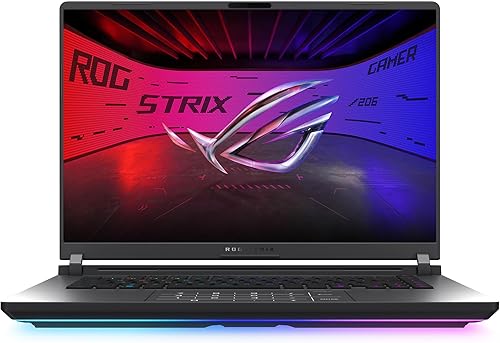
| Spec | MSI Vector 16 HX AI | ASUS ROG Strix G16 (2025) |
|---|---|---|
| Display | 16″ QHD+ 2.5K IPS, 240Hz | 16″ ROG Nebula 2.5K IPS, 240Hz, 500 nits |
| GPU | RTX 5080 Laptop (175W) | RTX 5070 Ti Laptop |
| CPU | Intel Core Ultra 9 275HX | AMD Ryzen 9 9955HX3D |
| Memory / Storage | Up to 32GB DDR5 / 1TB | 32GB DDR5 / 1TB |
| Cooling & Noise | Powerful, but loud in Extreme mode | Quieter, cooler-running |
| Weight | ~2.7 kg | ~2.6 kg |
| Battery | 90Wh | 90Wh |
| Price | ~$2,150 (RTX 5080) | ~$1,600–$2,000 (RTX 5070 Ti) |
Gaming Performance Winner: MSI Vector 16
The Vector’s RTX 5080 is a genuine tier above the Strix G16’s RTX 5070 Ti, translating to roughly 15–25% higher frame rates in GPU-bound AAA games at 1600p. The Strix narrows the gap in CPU-heavy titles thanks to its Ryzen 9 9955HX3D and its 3D V-Cache, but in raw graphics horsepower the Vector clearly leads.
Display Winner: ROG Strix G16
Both use sharp 16-inch 2.5K 240Hz IPS panels, but the Strix’s ROG Nebula display is brighter (rated 500 nits) with excellent color coverage, giving it the edge in bright rooms and for HDR-lite content.
Thermals & Noise Winner: ROG Strix G16
This is the Vector’s weak spot. It’s fast, but in Extreme Performance mode its fans get genuinely loud and some units run warm. The Strix G16 is the calmer machine — cooler surface temperatures and a far more livable acoustic profile.
Build & Design Winner: ROG Strix G16
The Strix feels the more polished product, with tidy RGB, a solid hinge and cleaner lines. The Vector’s chassis is sturdy and functional but plainer and more utilitarian.
CPU & Efficiency Winner: Tie
The Vector’s Intel Core Ultra 9 275HX and the Strix’s Ryzen 9 9955HX3D are both flagship-class. Intel edges ahead in heavy multi-threaded work; AMD’s 3D V-Cache can pull ahead in CPU-bound gaming. Call it a wash.
Value & Price Winner: MSI Vector 16
The Vector’s headline act is price: a full RTX 5080 machine has been available around $2,150, undercutting most RTX 5080 rivals and even some RTX 5070 Ti laptops. The Strix G16 is frequently discounted (as low as ~$1,600 for RTX 5070 Ti configs), so it’s the cheaper machine outright — but dollar-for-performance, the Vector’s 5080 is hard to beat.
MSI Vector 16 HX AI — Pros & Cons
- Full RTX 5080 — a real performance tier up
- Outstanding value (around $2,150)
- Flagship Intel Core Ultra 9 275HX
- Sharp 2.5K 240Hz display
- Loud fans in Extreme Performance mode
- Can run warm under sustained load
- Plainer chassis; caps at 32GB / 1TB
ASUS ROG Strix G16 (2025) — Pros & Cons
- Brighter 500-nit ROG Nebula display
- Quieter and cooler-running
- Refined build with Ryzen 9 X3D CPU
- Frequently discounted below $1,700
- RTX 5070 Ti is a step below the 5080
- Lower ceiling in GPU-bound games
- Top configs approach Vector pricing
Buy the MSI Vector 16 HX AI if you…
- Want the highest frame rates for the money
- Prioritize raw GPU power (RTX 5080)
- Don’t mind louder fans for more speed
Buy the ASUS ROG Strix G16 (2025) if you…
- Want a quieter, cooler, more refined machine
- Value a brighter display and build quality
- Can catch it on one of its frequent discounts
Final Verdict
If you want the most gaming performance per dollar, the MSI Vector 16 HX AI wins — a full RTX 5080 at a price most rivals charge for a 5070 Ti. Just be ready for louder fans. The ROG Strix G16 is the smarter buy for most people: stepping down to the RTX 5070 Ti buys you a brighter display, quieter cooling, a more refined build and, on sale, an even lower price.