ROG Strix Scar 18 vs Razer Blade 18
Two 18-inch RTX 5090 flagships, two very different philosophies. The ROG Strix Scar 18 pairs a stunning Mini LED display with tool-less upgradability at a far lower price, while the Razer Blade 18 chases the thinnest, quietest, most premium desktop-replacement experience money can buy.
⚡ Quick Verdict
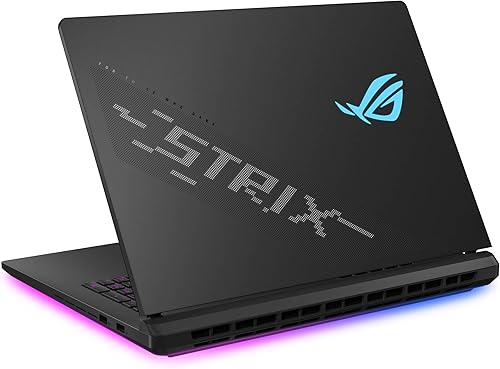

| Spec | ASUS ROG Strix Scar 18 (2025) | Razer Blade 18 (2026) |
|---|---|---|
| Display | 18″ 2.5K Mini LED, 240Hz, 2,000+ zones | 18″ dual-mode 4K/240Hz + FHD/440Hz IPS |
| GPU | RTX 5090 Laptop (175W) | RTX 5090 Laptop (175W) |
| CPU | Intel Core Ultra 9 275HX | Intel Core Ultra 9 (Arrow Lake HX) |
| Memory / Storage | Up to 64GB DDR5 / 2TB (tool-less) | Up to 64GB DDR5 / 4TB |
| Cooling | Vapor chamber + liquid metal, tri-fan | Triple-fan, rear-vented, very quiet |
| Weight | ~3.1 kg (6.8 lb) | ~3.1 kg, slimmer profile |
| Battery | 90Wh, ~5 hours | Large battery, ~5–6 hours |
| Price (RTX 5090) | ~$3,300–$3,500 | ~$4,900 |
Gaming Performance Winner: Tie
Both laptops run the same full-power 175W RTX 5090 paired with Intel Core Ultra 9 flagship silicon, so frame rates are effectively identical — differences in testing fall within run-to-run margin of error. In demanding AAA titles at native resolution with DLSS 4 and Multi Frame Generation, either machine delivers a maxed-out, triple-digit experience.
Display Winner: ROG Strix Scar 18
This is the Scar’s signature advantage. Its 18-inch 2.5K Mini LED panel with 2,000+ dimming zones delivers inky blacks, searing HDR highlights and contrast the Blade’s IPS simply can’t match. The Blade counters with clever versatility — native 4K at 240Hz for creative work, or a switch to FHD at 440Hz for competitive esports.
Build & Portability Winner: Razer Blade 18
The Blade is the more refined object: a unibody CNC-aluminum chassis thinner and more travel-friendly than almost any 18-inch rival. The Scar’s build is sturdy and gamer-styled, but noticeably bulkier and heavier in a bag.
Thermals & Noise Winner: Razer Blade 18
Both cool their ~280W loads without throttling. The Scar leans on Conductonaut Extreme liquid metal and a tri-fan vapor chamber for maximum raw capacity, but it can get loud. The Blade dissipates a claimed 280W while staying one of the quietest big-GPU laptops you can buy.
Upgradability & Ports Winner: ROG Strix Scar 18
The Scar’s tool-less bottom panel makes RAM and SSD upgrades trivial, and it carries Thunderbolt 5 plus Wi-Fi 7. The Blade is upgradable too, but its tighter internals are far less inviting to open.
Value & Price Winner: ROG Strix Scar 18
For comparable RTX 5090 configurations, the Scar typically lands around $3,300–$3,500 while the Blade climbs toward $4,900. That roughly $1,400 gap is what earns the Scar its overall win — identical gaming performance and a better display for far less money.
ASUS ROG Strix Scar 18 (2025) — Pros & Cons
- Same 175W RTX 5090 performance as the Blade
- Gorgeous 2.5K Mini LED HDR display
- Tool-less RAM and SSD upgrades
- Roughly $1,400 cheaper for comparable specs
- Bulkier and heavier than the Blade
- Fans get loud under full load
- Most configs cap at 2TB storage
Razer Blade 18 (2026) — Pros & Cons
- Thinnest, most premium 18-inch chassis
- Dual-mode 4K/240Hz ↔ FHD/440Hz display
- Exceptionally quiet cooling
- Up to 4TB of storage
- Very expensive (~$4,900 as tested)
- IPS panel can not match Mini LED contrast
- Tighter internals are less upgrade-friendly
Buy the ASUS ROG Strix Scar 18 (2025) if you…
- Want the best display and performance-per-dollar
- Value quick, tool-less upgrades
- Game at a desk more than on the move
Buy the Razer Blade 18 (2026) if you…
- Want the slimmest, quietest 18-inch flagship
- Have no real budget ceiling
- Need dual-mode 4K and high-refresh flexibility
Final Verdict
Both are elite RTX 5090 desktop replacements, but the ROG Strix Scar 18 wins on the math: identical gaming performance, a superior Mini LED display, and tool-less upgrades for roughly $1,400 less. The Razer Blade 18 remains the more beautiful, quieter and more portable machine — the right pick if you want the premium experience and price is no object.