The Complete Skincare Routine for Ozempic & GLP-1 Users
Your skin is changing at the cellular level. Here’s the science-backed routine to rebuild collagen, restore hydration, and protect your skin’s structure during weight loss.
⚡ Key Takeaways
- GLP-1 medications don’t just cause fat loss — research suggests they may directly affect collagen-producing fibroblasts and stem cells in your skin
- A targeted routine built around peptides, hyaluronic acid, retinol, and ceramides can help counteract structural skin changes
- Starting your skincare routine early in your GLP-1 journey — not after you notice changes — gives the best results
- Every product below is available on Amazon and chosen for clinical evidence, not marketing claims
What GLP-1 Medications Actually Do to Your Skin
If you’re on Ozempic, Wegovy, Mounjaro, or Zepbound, you already know the weight loss can be dramatic. What most people don’t realize — and what the beauty industry is only beginning to address — is that GLP-1 medications may be changing your skin at a level far deeper than simple fat loss.
The term “Ozempic face” has become shorthand for the gaunt, hollowed appearance that can develop during rapid weight loss. But recent research published in peer-reviewed journals paints a more complex picture. It’s not just about losing the fat pads that give your face its structure. The science suggests something more fundamental is happening.
What the Research Shows
A 2025 study from Vanderbilt University found approximately 9% midface volume loss for every 10 kg of total weight lost. But the damage goes beyond fat. Research on GLP-1 receptor agonists shows they may act on adipose-derived stem cells (ADSCs) and fibroblasts — the cells responsible for producing collagen and elastin. When GLP-1 receptors on these cells are stimulated, the stem cells produce fewer protective cytokines, leading to increased oxidative stress on fibroblasts. The result: reduced collagen and elastin synthesis at the cellular level.
Your face relies on three structural pillars: subcutaneous fat pads, collagen and elastin in the dermis, and underlying muscle. GLP-1 medications can affect all three simultaneously. Studies suggest that 20–50% of total weight loss from semaglutide comes from muscle mass, which further accelerates the visible aging effect.
The takeaway isn’t that you should avoid GLP-1 medications — the metabolic and cardiovascular benefits are well-documented and significant. The takeaway is that your skin needs active support during this process, and the earlier you start, the better your outcomes.
The Three Layers GLP-1 Medications Affect
Fat Layer (Subcutaneous)
Rapid depletion of fat pads in cheeks, temples, and under-eyes. ~9% midface volume loss per 10 kg lost.
Dermis (Collagen & Elastin)
GLP-1 receptors on fibroblasts may reduce collagen/elastin synthesis. Shift from strong Type I to weaker Type III collagen.
Muscle Layer
20–50% of weight loss may come from muscle. Weakened facial muscles accelerate visible sagging.
Your Toolkit
The 5 Ingredients That Actually Matter
Not every “anti-aging” ingredient is relevant here. GLP-1-related skin changes involve specific biological mechanisms — reduced fibroblast activity, depleted ceramides, compromised barrier function, and accelerated collagen degradation. Here are the ingredients that directly address these issues, backed by dermatological research:
Peptides
Signal fibroblasts to produce more collagen. Matrixyl 3000 and copper peptides are the most studied for firmness.
Hyaluronic Acid
Holds up to 1,000x its weight in water. Multi-weight HA penetrates different skin layers for deep + surface hydration.
Retinol
The gold standard for accelerating cell turnover and stimulating collagen synthesis. Start low (0.2–0.5%) and build up.
Ceramides
Research suggests GLP-1 drugs may reduce ceramide levels. Topical ceramides rebuild the skin’s moisture barrier.
Vitamin C
Essential cofactor in collagen synthesis. Also an antioxidant that protects against the oxidative stress linked to GLP-1 skin changes.
Step by Step
The Complete AM/PM Routine
This routine is designed specifically for the skin changes associated with GLP-1 medications. It prioritizes barrier repair, deep hydration, collagen stimulation, and protection — in that order. Every product listed is available on Amazon, chosen for ingredient quality and clinical evidence, not brand hype.
☀️ Morning Routine
Gentle Hydrating Cleanser
GLP-1 skin is often drier and more sensitized. Skip anything foaming or stripping. A cream or gel cleanser with ceramides preserves your barrier while removing overnight buildup.
CeraVe Hydrating Facial Cleanser
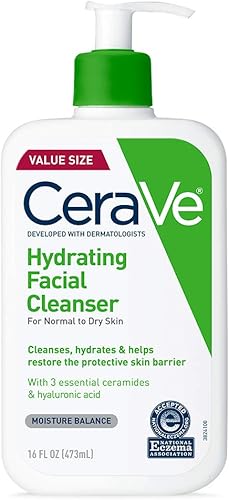
Contains ceramides 1, 3, and 6-II — the exact lipids that research suggests GLP-1 drugs may deplete. The MVE delivery technology releases moisturizing ingredients throughout the day. Dermatologist-developed and one of the most consistently recommended cleansers for compromised skin barriers.
Vitamin C Serum
Applied in the morning to provide antioxidant protection against environmental damage and to support collagen synthesis throughout the day. Vitamin C is a required cofactor for collagen production.
TruSkin Vitamin C Serum
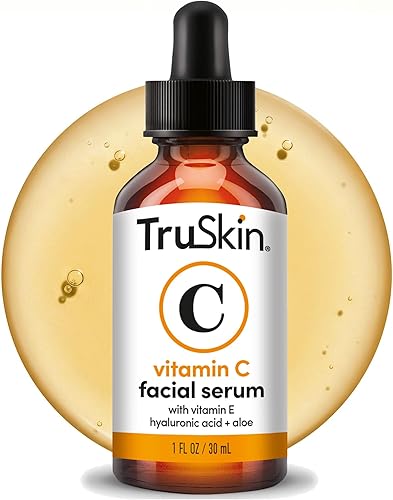
Combines the collagen-synthesis support of Vitamin C with the antioxidant power of Vitamin E and the hydration of hyaluronic acid. The triple-action formula addresses oxidative stress — one of the key mechanisms by which GLP-1 drugs may affect fibroblast function. Consistently one of the top-rated vitamin C serums on Amazon.
Peptide Serum
Peptides are short chains of amino acids that signal your skin to produce more collagen and elastin — the exact proteins that GLP-1 medications may deplete. Layer this under your moisturizer for maximum absorption.
The Ordinary Multi-Peptide + Copper Peptides 1% Serum

This serum packs eight different peptides including Copper Tripeptide-1, one of the most researched peptides for skin repair and collagen production. When combined with hyaluronic acid, copper peptides may help support the skin’s production of collagen type IV — the structural collagen that maintains connections between skin layers. At around $16, it delivers clinical-grade peptide concentration at a fraction of luxury brand pricing.
Moisturizer with Ceramides + SPF
GLP-1 skin needs aggressive moisture retention. A ceramide-rich moisturizer rebuilds the barrier while SPF protects against the UV damage that further degrades collagen. This is non-negotiable — even on cloudy days.
EltaMD UV Daily Tinted Broad-Spectrum SPF 40
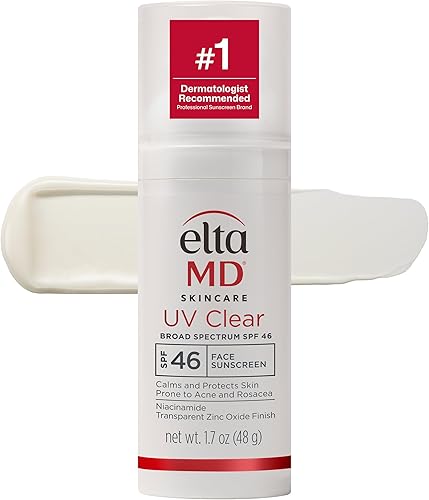
UV damage is cumulative and it’s the single biggest external accelerator of collagen breakdown. When your skin’s collagen reserves are already under stress from GLP-1 medications, unprotected sun exposure compounds the deficit dramatically. EltaMD UV Daily is the most recommended sunscreen among dermatologists — lightweight, non-greasy, and infused with hyaluronic acid for additional hydration. The slight tint evens out skin tone without heaviness.
🌙 Evening Routine
(2–7x/wk)
Double Cleanse (Oil → Water)
Remove sunscreen and the day’s buildup with an oil cleanser first, then follow with your hydrating cleanser. This ensures a clean canvas for your active ingredients without stripping moisture.
Retinol (2–3 nights per week)
Your nighttime repair powerhouse. Retinol accelerates cell turnover and boosts collagen production — but start slow to avoid overwhelming already-sensitized GLP-1 skin. Use the “sandwich method”: moisturizer → retinol → moisturizer.
CeraVe Resurfacing Retinol Serum

The encapsulated retinol releases gradually, dramatically reducing the irritation risk that makes traditional retinol problematic for already-compromised GLP-1 skin. The inclusion of ceramides addresses barrier repair simultaneously — you’re getting collagen stimulation and barrier support in one step. Multiple dermatologists cite this as their go-to recommendation for retinol beginners and sensitive skin.
Rich Night Moisturizer
On retinol-free nights, your peptide serum does the heavy lifting. Every night, seal everything in with a rich, occlusive moisturizer that supports overnight barrier repair.
CeraVe Moisturizing Cream (the tub)

This is the most-recommended moisturizer by dermatologists for a reason. The ceramide-rich formula directly addresses the barrier compromise associated with GLP-1 medications. The patented MVE delivery system provides 24-hour moisturization from a single application. It’s rich enough to act as an overnight occlusive seal while remaining non-comedogenic.
⚠️ A Note on Timing
Dermatologists recommend starting a targeted skincare routine at the beginning of your GLP-1 treatment — or even before — rather than waiting until skin changes become visible. Preventive skincare is far more effective than corrective skincare. If you’re already seeing changes, it’s not too late, but consistency becomes even more critical. Give any new routine a minimum of 8–12 weeks before judging results.
Beyond Products
5 Lifestyle Habits That Support Your Skin
Products matter, but they work best when supported by the right habits. These are the most impactful lifestyle adjustments for GLP-1 users, based on dermatological research and clinical recommendations:
Prioritize Protein Intake
Protein provides the amino acids your body needs to synthesize collagen. Research suggests GLP-1 medications can cause significant muscle mass loss — adequate protein (0.8–1g per pound of body weight) helps preserve both muscle and skin structure.
Strength Training
Resistance exercise is one of the most effective ways to counteract the muscle loss associated with GLP-1 medications. Stronger facial and body muscles provide better underlying support for skin.
Aggressive Hydration
GLP-1 drugs can reduce appetite for both food and water. Some patients report drier, less supple skin during treatment. Aim for at least 64 oz of water daily — your hyaluronic acid serums work significantly better on well-hydrated skin.
Omega-3 Fatty Acids
A diet rich in healthy fats (salmon, avocado, walnuts) and linoleic acid has been associated with better skin quality and fewer wrinkles in women over 40. These fats support the lipid barrier that ceramides help rebuild topically.
Sleep Quality
Your skin does its heaviest repair work during deep sleep. This is when your nighttime actives (retinol, peptides) are most effective. Prioritize 7–9 hours and consider sleeping on your back to reduce compression on facial skin.
The Bottom Line
GLP-1 medications are powerful tools for metabolic health, but the skin changes they can cause are real — and they go beyond simple fat loss. The good news is that a targeted, science-backed skincare routine can meaningfully address these changes. You don’t need a $500 serum marketed for “Ozempic face.” You need the right ingredients at the right concentrations, used consistently.
- Start early — ideally when you begin your GLP-1 medication
- Focus on ceramides, peptides, retinol, hyaluronic acid, and vitamin C
- Never skip SPF — UV damage compounds GLP-1-related collagen loss
- Support from inside out — protein, hydration, strength training
- Be patient — give your routine 8–12 weeks for visible results
📚 GLP-1 Skincare Series
Part 1: The Complete Skincare Routine Serums, moisturizers, and the daily routine to protect your skin Part 2: Best At-Home Devices for GLP-1 Skin Microcurrent, LED, and RF devices that rebuild firmness Part 3: Collagen Supplements & Ingestible Beauty What to take internally to support skin from withinAffiliate Disclosure: TheShoposaurus is reader-supported. When you buy through links on our site, we may earn an affiliate commission at no additional cost to you. We only recommend products we’ve thoroughly researched and believe deliver genuine value. Product prices are approximate and may vary. This content is for informational purposes only and is not medical advice — always consult your healthcare provider about your GLP-1 medication and any skincare concerns.