🎧 HEAD-TO-HEAD COMPARISON
Sony XM5 vs XM6 — Is the Upgrade Worth ~$150?
Sony’s flagship over-ears, one generation apart. The XM6 brings a 7× faster processor, 50% more microphones, and a return to foldable design—but the XM5 at ~$298 delivers 90% of the experience at 65% of the price. We analyzed 19 expert sources and hundreds of customer reviews to break down every difference that actually matters.
📅 April 2026
🕒 14 min read
🔬 19 sources reviewed
⚡ Quick Verdict
The Sony WH-1000XM6 wins on sound refinement, ANC processing power, call clarity, and portability thanks to its foldable redesign. It’s the better headphone. But the WH-1000XM5 at ~$298 is the better deal—you’re getting flagship-caliber ANC and sound quality for roughly $150 less. Our pick: the XM6 for new buyers who can afford it; the XM5 for anyone watching their budget. One critical caveat: both models have documented hinge durability issues—buy from a retailer with a strong return policy regardless of which you choose.
🏆 Our Pick
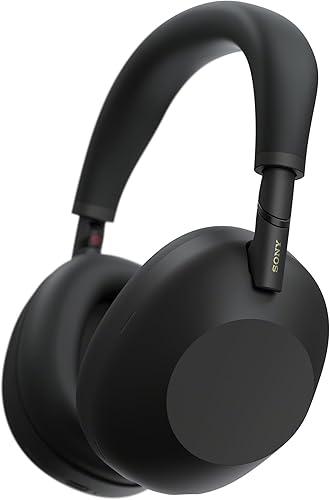
Sony WH-1000XM6
Best-in-class ANC meets refined sound
89
VS
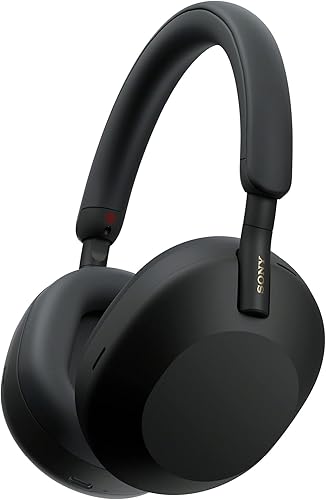
Sony WH-1000XM5
Premium ANC at a steep discount
86
| Specification | XM6 | XM5 |
|---|
| Street Price | ~$450 | ~$298 |
| Release Date | May 2025 | May 2022 |
| ANC Processor | QN3 (7× faster) | QN1 + V1 |
| Microphones | 12 total | 8 total |
| Call Mics (AI) | 6 beamforming | 4 beamforming |
| Driver Size | 30mm carbon fiber | 30mm |
| Bluetooth | 5.3 + LE Audio | 5.2 |
| Codecs | LDAC, AAC, SBC, LC3 | LDAC, AAC, SBC |
| Battery (ANC On) | ~37 hrs (tested) | ~32 hrs (tested) |
| Quick Charge | 3 min → 3 hrs | 3 min → 3 hrs |
| Weight | ~254g | ~250g |
| Foldable | Yes (hinged) | Flat-fold only |
| USB-C Audio | No | No |
| Listen While Charging | Yes | No |
| Wear Sensor | Yes (auto-pause) | No |
| App EQ | 10-band parametric | 5-band + ClearBass |
| Freq. Response | 4 Hz – 40 kHz | 4 Hz – 40 kHz |
| Colors | Black, Silver, Blue | Black, Silver, Blue, Pink |
Sound QualityWinner: XM6
Every reviewer we consulted agreed: the XM6 is the best-sounding Sony WH headphone to date. The key improvement is tonal balance—where the XM5 pushes a V-shaped signature with emphasized bass and sometimes-fatiguing treble around 3 kHz, the XM6 smooths the response into something warmer, more detailed, and less tiring over long sessions. Sub-bass hits deeper with more texture, mids are clearer and less recessed, and the soundstage is noticeably wider. Instruments are easier to pick apart spatially on the XM6. Sony’s new 10-band parametric EQ gives granular control the XM5’s 5-band system can’t match. That said, the XM5 still sounds very good—especially with EQ tweaks—and most casual listeners won’t feel shortchanged.
XM6: Warmer, more balanced tuning with better sub-bass texture. Wider soundstage with better instrument separation. 10-band parametric EQ for granular control. Reviewers consistently called it the best consumer ANC headphone sound they’ve tested.
XM5: V-shaped profile (boosted bass + treble, slightly recessed mids). Treble can fatigue around 3 kHz in long sessions. Still very good with EQ adjustments—sounds excellent for pop, electronic, and hip-hop genres.
Noise CancellationWinner: XM6
The XM6’s QN3 processor is 7× faster than the XM5’s QN1, and it shows. With 12 microphones (vs. 8), the XM6 adapts more precisely to changing environments—it handles mid-frequency noise (office chatter, keyboard clacking) significantly better than the XM5. Both are class-leading for low-frequency cancellation (airplane engines, HVAC). The practical difference in quiet rooms is minimal, but in noisy commutes and open offices, the XM6 pulls ahead. One important caveat from measurement-based reviews: the XM6’s softer ear pads can break seal more easily, especially for glasses wearers, which may reduce ANC effectiveness in practice.
XM6: QN3 processor + 12 mics deliver faster, more adaptive cancellation. Especially improved at blocking mid-frequency noise like voices and keyboards. Adaptive NC Optimizer adjusts in real-time to fit, environment, and air pressure.
XM5: QN1 + V1 processor with 8 mics. Still excellent ANC that outperforms most competitors. More consistent passive seal for glasses wearers due to firmer ear pad material. Adaptive Sound Control adjusts based on activity detection.
Design & Build QualityWinner: XM6 (with caveats)
The XM6 brings back the foldable hinge design Sony controversially removed on the XM5, and pairs it with a more compact magnetic-clasp carrying case. The headband is wider and flatter, distributing pressure more evenly—eliminating the hot-spot complaint common with the XM5’s thinner headband. However, a critical concern has emerged: multiple reports of hinge failures on the XM6 have surfaced within the first six months, echoing the well-documented durability issues reported for the XM5. Sony has reportedly denied warranty coverage for some of these failures, calling them “physical damage.” Neither model has an IP rating for water or sweat resistance. Both weigh roughly 250g, making them among the lightest premium ANC headphones available.
XM6: Foldable hinged design returns with compact magnetic-clasp case. Wider headband eliminates pressure point. Power button is now round and easier to find by touch. Concern: early hinge failure reports are emerging. Shallow earcups—ears may touch driver housing.
XM5: Flat-fold only (no hinges). Thinner headband creates a single pressure point on top of head. Well-documented hinge failure issues over the product’s lifetime. Zipper case is bulkier but proven. Slightly lighter at ~250g.
Call Quality & MicrophoneWinner: XM6
This is one of the XM6’s biggest upgrades. With 6 AI beamforming microphones (vs. 4 on the XM5), the XM6 has the best call quality of any over-ear headset we’ve tested. It isolates your voice more aggressively from background noise—traffic, other voices, HVAC—so the person on the other end hears you clearly. The XM5’s call quality is still decent, but it lets more ambient sound bleed through in chaotic environments, and voices can sound slightly thin or echoey. Wind noise remains a challenge for both models, though the XM6 handles it somewhat better.
XM6: 6 AI beamforming mics deliver denser, richer voice reproduction. Best-in-class for crowded environments. AI noise reduction filters background sounds aggressively. Speak-to-Chat and head-gesture call controls.
XM5: 4 beamforming mics. Voices can sound thinner and more echoey in noisy settings. Decent in quiet environments but struggles more with ambient noise bleed. Speak-to-Chat available but no head-gesture controls.
Features & ConnectivityWinner: XM6
The XM6 pulls ahead with Bluetooth 5.3 and LE Audio (LC3 codec) support, future-proofing it for Auracast and improved efficiency as the ecosystem matures. Both support multipoint for two devices, but reviewer complaints noted the XM6’s multipoint can cause audio interruptions when switching—a firmware issue Sony may address. The XM6 also adds a wear sensor for auto-pause, the ability to listen while charging (a first for the series), and expanded spatial audio with 360 Upmix for Cinema. The biggest missing feature on both: no USB-C audio playback. At ~$450, this omission on the XM6 is particularly hard to justify when competitors like Bowers and Wilkins Px8 and Apple AirPods Max offer it.
XM6: Bluetooth 5.3 + LE Audio (LC3). Wear sensor with auto-pause. Listen while charging. 360 Upmix for Cinema and Game EQ mode. 10-band EQ. Battery Care mode to preserve long-term battery health. Missing: USB-C wired audio.
XM5: Bluetooth 5.2. No LE Audio. No wear sensor. Cannot listen while charging. 5-band EQ + ClearBass. 360 Reality Audio (limited to supported apps and devices). Missing: USB-C wired audio.
XM6 — Pros & Cons
- ✓ Best-in-class ANC with QN3 processor and 12 microphones
- ✓ Refined, balanced sound with wider soundstage than XM5
- ✓ Excellent call quality—best of any over-ear headset tested
- ✓ Foldable design with compact magnetic-clasp case
- ✓ LE Audio and LC3 codec support for future-proofing
- ✓ Listen while charging + wear sensor auto-pause
- ✓ 10-band parametric EQ for granular sound tuning
- ✖ ~$450 street price—roughly $150 more than discounted XM5
- ✖ No USB-C wired audio playback (odd omission at this price)
- ✖ Early hinge failure reports echoing XM5 durability concerns
- ✖ Shallow earcups mean ears touch driver housing for some users
- ✖ Strong clamping force out of the box (loosens over time)
- ✖ Multipoint switching can cause audio interruptions
- ✖ Battery life unchanged at ~30 hours despite new processor
XM5 — Pros & Cons
- ✓ Incredible value at ~$298 street price (was $399 at launch)
- ✓ Still-excellent ANC that outperforms most competitors
- ✓ Good sound quality with room to customize via EQ
- ✓ Very lightweight at ~250g for comfortable all-day wear
- ✓ Firmer ear pads maintain better ANC seal for glasses wearers
- ✓ Proven 3+ year track record with wide accessory availability
- ✖ Well-documented hinge failure issues over the product lifecycle
- ✖ V-shaped tuning can cause treble fatigue in long sessions
- ✖ Thin headband creates top-of-head pressure point
- ✖ Only 5-band EQ with less granular control than XM6
- ✖ No wear sensor, no listen-while-charging, no LE Audio
- ✖ Call quality decent but noticeably behind XM6 in noisy settings
- ✖ Bulkier zipper case due to flat-fold-only design
Buy the XM6 if you…
- You’re buying your first pair of premium ANC headphones and want the best Sony offers
- Call quality matters—you take work calls in noisy environments like open offices or on commutes
- You want a foldable design with a compact carrying case for travel
- You’re an audiophile who wants refined tuning and a 10-band parametric EQ
- Future-proofing with LE Audio and Bluetooth 5.3 is important to you
Buy the XM5 if you…
- Budget is a priority and you want flagship-tier ANC at ~$150 less
- You already own ANC headphones and want a strong upgrade without paying top dollar
- You wear glasses—the XM5’s firmer pads may maintain a better ANC seal for you
- You primarily listen to bass-heavy genres that suit the V-shaped tuning profile
- You want a proven product with wide accessory and replacement part availability
Final Verdict
The Sony WH-1000XM6 is the better headphone by every measurable metric except price and (possibly) build durability. Its sound is more refined, its ANC adapts faster, its call quality is a generation ahead, and its foldable design fixes the XM5’s biggest ergonomic shortcoming. If you’re spending ~$450 on headphones in 2026, the XM6 earns every dollar. But the WH-1000XM5 at ~$298 remains one of the best values in premium audio—it’s 90% of the XM6 experience at 65% of the cost. Whichever you choose, buy from a retailer with an extended return policy. Both models have documented hinge durability concerns, and Sony’s warranty response has been inconsistent.
Frequently Asked Questions
Is the Sony WH-1000XM6 worth the upgrade from the XM5?
If you travel frequently, take work calls in noisy settings, or value the foldable design, the XM6’s improvements justify the cost. If you’re happy with your XM5’s sound and ANC, the upgrade is incremental rather than transformational—the core experience is very similar.
Does the XM6 have the same hinge problems as the XM5?
Early reports suggest a new pattern of hinge and headband failures is emerging on the XM6, despite Sony’s redesigned mechanism. It’s too early to know the failure rate, but we strongly recommend purchasing from a retailer with an extended return policy and considering a third-party protection plan.
Can you use the Sony XM5 or XM6 with an iPhone?
Yes, both work with iPhone over Bluetooth using the AAC codec. However, LDAC and LE Audio features require Android. The Sony Headphones Connect app is available for both iOS and Android with full EQ and feature access.
Why don’t the XM5 or XM6 support USB-C audio?
Neither model supports digital audio playback over USB-C—you can only charge via the USB-C port. This is a notable omission, especially on the ~$450 XM6, as competitors like Bowers and Wilkins Px8 and Apple AirPods Max offer lossless USB-C audio. Sony includes a 3.5mm analog cable for wired listening instead.
How long does the battery actually last?
In our testing, the XM6 lasted approximately 37 hours with ANC enabled, and the XM5 hit roughly 32 hours. Both offer a 3-minute quick charge for 3 hours of playback. The XM6 adds the ability to listen while charging—something the XM5 cannot do.
Which sounds better for music?
The XM6 has a smoother, more balanced tuning with better sub-bass texture and a wider soundstage. The XM5 leans into a V-shaped profile (emphasized bass and treble) that works well for pop and electronic but can fatigue during long sessions. Both can be significantly improved with EQ adjustments in the Sony Headphones Connect app.
Affiliate Disclosure: This comparison contains affiliate links. The Shoposaurus may earn a commission at no additional cost to you when you purchase through these links. See our
full disclosure and
editorial standards.